Entry · Ref PTK6VH4N
Cosmetic Dentistry Bakersfield CA: Before and After Expectations
- Posted
- 2026-10-05
- Last amended
- 2026-10-05
- Account
- @devinokyl403
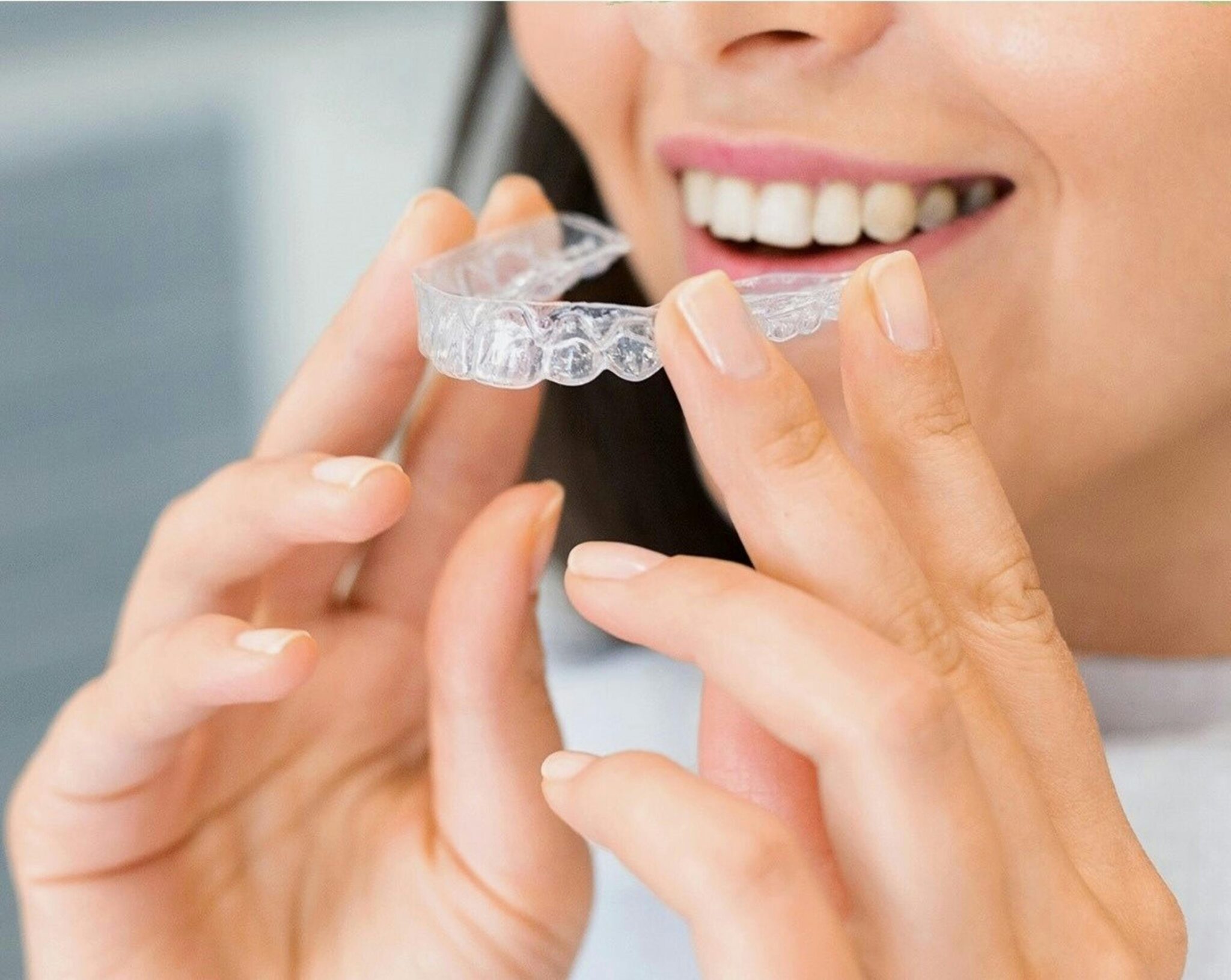
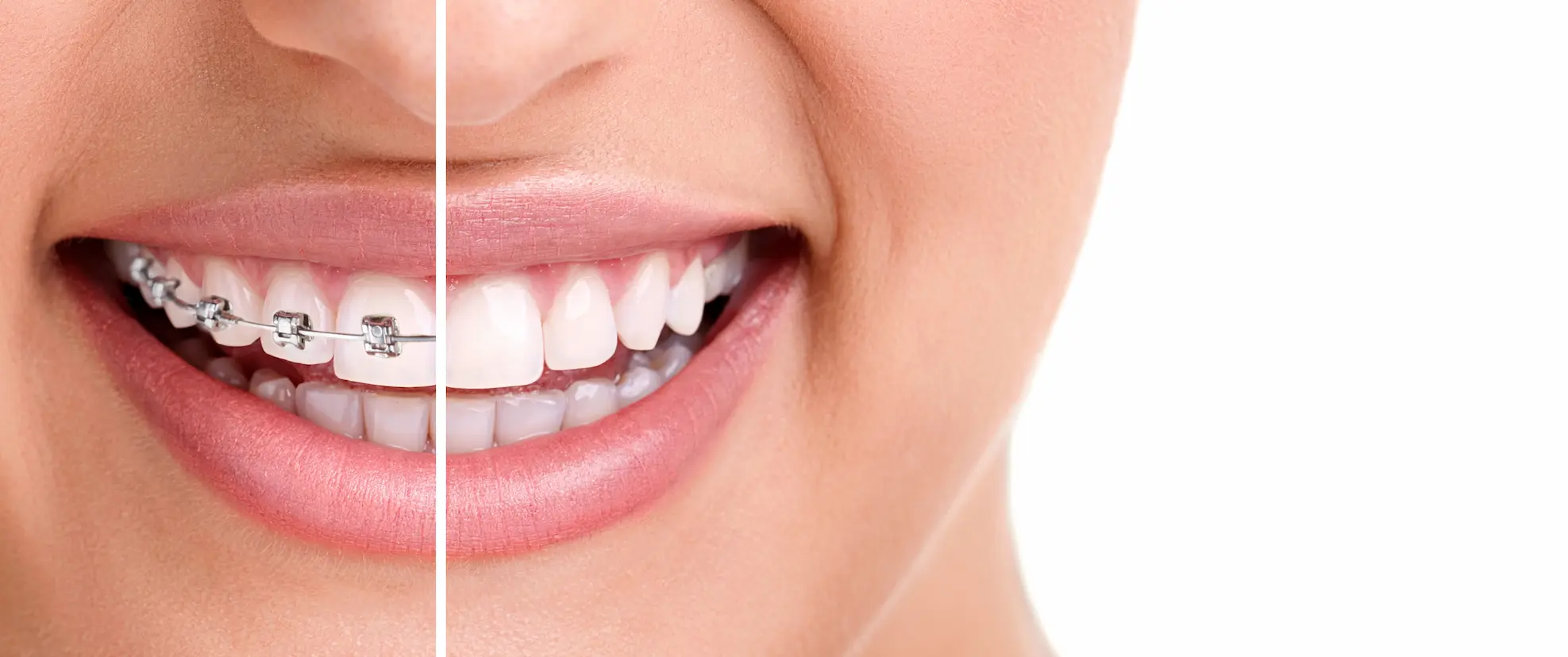
A cosmetic dental consultation often starts with a deceptively simple sentence: “I just want my smile to look better.”
What follows is rarely simple. Some people mean they want teeth that look whiter in photos. Others are bothered by one chipped front tooth that draws their eye every time they speak. Some have old dental work that no longer matches. Many have a mix of concerns, color, shape, spacing, uneven gum lines, worn edges, crowding, or years of staining from coffee, tea, red wine, or tobacco.
When people search for Cosmetic Dentistry Bakersfield CA, they are usually looking for more than a menu of treatments. They want to know what changes are realistic, what the process feels like, how dramatic the “after” can be, and whether the result will still look like them. Those are the right questions to ask. Cosmetic dentistry can create remarkable improvements, but the best outcomes come from clear expectations, careful planning, and a full understanding of what happens before and after treatment.
The real meaning of “before and after”
Before and after photos are useful, but they can also be misleading when stripped of context. A finished smile reflects more than a whitening gel or a set of veneers. It reflects the starting point, the health of the teeth and gums, the patient’s bite, the thickness of enamel, facial symmetry, lip movement, age, habits, and budget.
A patient with healthy enamel and mild yellowing may see a noticeable change after whitening alone. Someone with tetracycline staining, translucent edges, or old dark fillings on front teeth may need a more layered approach. Another patient may think they need veneers when orthodontic treatment and bonding would preserve more natural tooth structure and still produce a strong cosmetic result.
That is why “before and after expectations” should always be discussed in terms of your specific mouth, not just generic outcomes. Two patients may have the same goal, “I want straight, white front teeth,” but one may need six months of aligners and whitening, while the other may need crowns replaced, gum therapy, and shape correction over multiple visits.
What usually bothers patients most before treatment
In practice, people tend to notice a few recurring issues. Color is high on the list, especially when teeth have gradually darkened over time. Chipped edges are another common concern, particularly on the front teeth where even a small irregularity can feel glaring. Spacing and minor misalignment can make a smile seem older or less polished. Uneven or worn teeth often become more obvious in bright light and high-resolution phone photos, which is one reason many adults seek cosmetic care later in life.
There is also an emotional side that should not be overlooked. Some patients smile with closed lips in every picture. Others cover their mouth while laughing. I have seen people delay professional headshots, weddings, reunions, and even dating because they are embarrassed by their teeth. Cosmetic dentistry is not vanity in any simplistic sense. For many, it is tied to confidence, comfort, and the ability to show up fully in personal and professional settings.
The first appointment shapes everything
The quality of the consultation often determines the quality of the result. A strong cosmetic evaluation is not a quick glance followed by a sales pitch. It should include a careful exam, photos, a conversation about goals, and an honest review of what is possible within the condition of the teeth.
At this stage, a good dentist pays attention to details that patients may not realize matter. Is the gum tissue healthy enough for cosmetic work? Are there signs of clenching or grinding that could shorten the lifespan of veneers or bonding? Do existing crowns need to be replaced because they will no longer match once whitening is complete? Is the bite stable, or do certain teeth hit too hard when chewing? Are there functional issues hiding behind a cosmetic complaint?
This is where expectations become grounded. The best cosmetic plans are not built around the fastest path to whiter teeth. They are built around a result that looks attractive, feels comfortable, and lasts.
Cosmetic improvements are often staged, not instant
One of the biggest disconnects between expectation and reality is timing. Social media has trained people to expect one-visit transformations. While that can happen in selected cases, many of the best smile improvements unfold in stages.
A patient may begin with a cleaning and gum treatment because inflamed gums can distort the look of a smile and compromise the final outcome. Whitening often comes before bonding, veneers, or crowns so the dentist can match restorations to a brighter baseline shade. If teeth are crowded or rotated, clear aligners may be recommended first, even if the patient initially hoped to skip orthodontics. Replacing old restorations may happen after the shade stabilizes.
This staged approach can feel slower, but it usually produces a more natural result. It also prevents a common mistake: using aggressive restorative treatment to solve a problem that could have been handled more conservatively.
What “natural-looking” actually means
Almost every patient says they want a natural look, yet people define that phrase differently. For one person, natural means subtle whitening and preserving every small characteristic that makes the smile familiar. For another, it means a camera-ready look with brighter teeth, more symmetry, and smoother edges, while still avoiding the flat, opaque appearance that reads as artificial.
Natural-looking cosmetic dentistry depends on proportion, translucency, texture, and restraint. Real teeth are not one solid block of white. They reflect light differently at the gum line than at the edges. They have tiny surface details. Their shape relates to the face, lips, and age of the patient. If the teeth are made too long, too square, too bright, or too uniform, the smile may look “done” in a way that does not feel believable.
That is why the best after photos often do not scream “dental work.” They simply make the person look rested, healthier, and more confident.
Whitening, and what patients often underestimate
Professional whitening is one of the most conservative ways to improve a smile, and it can be very effective. It is also frequently misunderstood. Whitening works best on natural teeth. It does not lighten crowns, veneers, fillings, or bonding. If front teeth already have visible restorations, whitening may create a mismatch that has to be corrected later.
Sensitivity is another issue. Some patients experience only mild zingers for a day or two. Others develop more significant cold sensitivity, especially if they already have exposed root surfaces or enamel wear. Most of the time this can be managed with adjusted timing, desensitizing products, or a slower protocol, but it should be discussed up front.
Perhaps the most important expectation to set is that whitening has limits. Teeth can be improved, often substantially, but not every shade can be reached safely. Deep intrinsic stains may lighten only modestly. Advertising tends to show extremely bright results, but in real life the healthiest and most flattering shade is often a few steps warmer than paper white.
Bonding can do beautiful work, within limits
For small chips, minor gaps, edge irregularities, and some shape concerns, cosmetic bonding can be an excellent option. It is more conservative than veneers and often completed quickly. When done with care, it blends well and can dramatically improve a front tooth that has always bothered the patient.
The trade-off is durability. Bonding is more prone to Cosmetic Dentistry Bakersfield CA staining, chipping, and wear than porcelain. A patient who bites nails, chews ice, tears open packaging with their teeth, or grinds at night will need to understand that maintenance is part of the bargain. Bonding is not a permanent one-and-done fix. It is a useful, often elegant treatment with a shorter maintenance cycle than ceramic restorations.
This is one reason a dentist’s judgment matters. The same small gap that looks ideal for bonding in one patient may be better treated with aligners in another, especially if the spacing is tied to bite or tooth position issues.
Veneers can be transformative, but they are not magic
Veneers carry an outsized reputation because they can deliver major cosmetic change. They can improve color, shape, size discrepancies, mild spacing, and certain alignment issues. For the right patient, they are one of the most powerful tools in cosmetic dentistry.
They also require nuance. Veneers work best when there is enough enamel for strong bonding and when the underlying tooth position allows the final result to look balanced rather than bulky. If teeth are significantly flared, severely rotated, or the bite is unstable, veneers alone may not be the most conservative or predictable solution.
Patients are sometimes surprised to learn that the most attractive veneer cases are not always the brightest or most dramatic. The strongest work respects facial features and speech. It considers the smile at rest, during laughter, and in profile. It avoids overbuilding the teeth to hide alignment issues that should have been corrected earlier. It also accounts for age. A 25-year-old and a 60-year-old rarely need the same edge design or texture to look authentic.
If you are considering veneers in the Cosmetic Dentistry Bakersfield CA market, one of the smartest things you can ask is not “How white can you make them?” but “How will you decide shape, length, and proportion for my face?”
Clear aligners often improve cosmetic results more than patients expect
Many adults seek cosmetic dentistry because of minor crowding or spacing, but they do not initially want orthodontic treatment. Once they see digital simulations or understand how tooth position affects every other cosmetic option, they often reconsider.
Aligners can create room, reduce overlap, improve symmetry, and place teeth in a better position for minimal bonding or enamel reshaping afterward. That can mean less drilling, thinner restorations, and a cleaner long-term result. In some cases, a patient who thought they needed six veneers ends up with aligners, whitening, and slight bonding on one edge. The smile still looks dramatically better, but the path is more conservative.
The trade-off is patience. Aligners require compliance. If trays are not worn consistently, the timeline stretches and the outcome suffers. This is where motivation matters more than enthusiasm. People are excited at the beginning. Results come to those who stay consistent on the quiet days in the middle.
Gum appearance matters more than many people realize
Teeth do not exist in isolation. The gums frame the smile. If the gum line is uneven, puffy, or receded, even expensive dental work can look unfinished. Sometimes a patient thinks their teeth are too short when the real issue is excess gum display. Another patient may believe a crown is unattractive when the surrounding tissue is inflamed and distorting the shape.
Minor gum contouring, improved hygiene, or periodontal treatment can change the appearance of the smile more than patients expect. This is especially true in before and after cases involving the front teeth. A symmetrical gum line often creates the visual calm that makes a smile look polished.
Any honest cosmetic discussion should include gum health. If a dentist skips over bleeding gums and moves straight to veneers, that is a red flag.
What after-treatment usually feels like
Most patients focus on what the final smile will look like, but the immediate after period deserves attention too. Whitening may bring temporary sensitivity. Bonding may feel slightly different at first until the tongue stops checking the edges. Veneers and crowns can require a brief adjustment period as speech and bite settle in. Aligners create pressure, especially in the first few days of a new tray.
The emotional reaction after cosmetic work can also be complex. Some people feel instant relief and excitement. Others need a little time. Even when the result is excellent, any visible change to the front teeth can feel surprisingly unfamiliar at first. That does not necessarily mean something is wrong. It often reflects the brain catching up to a new visual baseline.
This is one reason preview tools, mock-ups, and try-ins are so helpful in larger cosmetic cases. They reduce surprise and improve communication before the final restorations are delivered.
Longevity depends on habits more than marketing suggests
A common expectation is that cosmetic dentistry should look beautiful for many years with minimal effort. The truth is more practical. Longevity depends on the material chosen, the skill of the treatment, the bite, and how the patient uses their teeth afterward.
Whitening fades and often needs touch-ups. Bonding may stain or chip. Veneers and crowns can last well for many years, but they are not indestructible. Night grinding, daytime clenching, using teeth as tools, poor hygiene, dry mouth, and skipped recare visits all shorten the life of cosmetic work.
One of the best conversations a patient can have before starting treatment is about maintenance. Ask what normal wear looks like. Ask what might need repair in two years, five years, or ten years. Ask whether a night guard is recommended. The answers tell you a great deal about how thoughtfully the case is being planned.
Cost expectations should match treatment goals
Cosmetic dentistry can range from relatively modest to significant investment, depending on the scope. The mistake is assuming that the most expensive treatment is automatically the best treatment. It is not. The right treatment is the one that solves the actual problem with the least unnecessary intervention while still delivering a durable aesthetic result.
There are times when a lower-cost option becomes more expensive over time because it needs frequent replacement. There are also times when a patient is pushed toward a full smile makeover when a targeted, conservative plan would have met their goals.
Value in cosmetic dentistry is not just about the fee. It is about fit. A treatment plan has value when it aligns with the patient’s priorities, oral health, timeline, and willingness to maintain the result.
How to evaluate before and after photos intelligently
Photos can be helpful if you know what to look for. Pay attention to whether the lighting is consistent between images. Notice whether the dentist shows close-ups and full-face views, because teeth that look good in isolation do not always look natural in the context of the face. Look at gum symmetry, tooth proportions, and whether the smile appears harmonious rather than simply white.
It is also worth asking whether the photos reflect cases similar to yours. A beautiful veneer case on a patient with naturally straight teeth may tell you very little if your primary issue is crowding or worn enamel. Good case examples are relevant, not just impressive.
The most useful before and after conversations happen chairside, with your own photos, your own bite, and a dentist willing to explain why one path makes more sense than another.
Bakersfield patients often have practical concerns, and they matter
In Bakersfield, as in many communities, patients tend to balance appearance with pragmatism. They want cosmetic improvements that fit work schedules, family responsibilities, and real budgets. They may deal with dry climate effects, frequent coffee consumption, sports, shift work, or stress-related clenching. None of that is trivial. Everyday habits shape treatment choices.
A patient who travels for work may not be a good candidate for a plan requiring frequent refinements unless they are realistic about follow-through. Someone who drinks a lot of dark coffee may need a stronger maintenance strategy after whitening or bonding. A patient who plays contact sports should factor in protective appliances if investing in cosmetic front-tooth work.
That local, practical lens matters when discussing Cosmetic Dentistry Bakersfield CA. The right plan is not just aesthetically appealing. It has to hold up in real life.
Signs that expectations are healthy, and signs they may need recalibration
Healthy expectations sound like this: “I want my smile to look brighter and more even, but still like me.” Or, “I know my teeth won’t be perfect, but I want the chip and discoloration gone.” Those patients are often pleased because they are aiming for improvement, harmony, and authenticity.
Expectations may need recalibration when a patient wants an exact celebrity smile copied onto a completely different face, or assumes one procedure can solve color, alignment, wear, and bite issues all at once. Another warning sign is expecting restorations to behave like natural teeth without any maintenance. Cosmetic dentistry can do a lot, but it does not suspend biology or physics.
A thoughtful dentist will not simply agree to every request. They will explain where the limits are and why.
Questions worth asking at your consultation
A consultation goes better when patients ask direct, practical questions. Consider asking:
- What are the main factors affecting my smile right now, color, alignment, wear, gums, or old dental work?
- Which treatments are the most conservative options for my goals?
- What kind of result is realistic for my teeth, not just in general?
- How long should I expect the result to last, and what maintenance will it require?
- If I do nothing now, will the problem stay cosmetic, or could it worsen functionally?
Those answers often reveal more than a gallery of polished photos ever could.
The best “after” is believable, comfortable, and maintainable
The most successful cosmetic cases share a few qualities. The teeth suit the patient’s face. The bite feels stable. The gums look healthy. The shade is flattering rather than glaring. The patient no longer thinks about hiding their smile. They just use it.
That is the outcome people are usually searching for when they begin looking into cosmetic dentistry. Not perfection in a vacuum, but confidence without self-consciousness.
If you are exploring Cosmetic Dentistry Bakersfield CA, the smartest expectation to carry into your first visit is this: the best cosmetic result is rarely the most extreme one. It is the one that fits your features, respects your dental health, and still looks good years after the excitement of the reveal has passed.
Toothworks of Bakersfield, Dentist and Orthodontist
Address: 1030 H St #1, Bakersfield, CA 93304
Phone number: +16613239421
FAQ About Cosmetic Dentistry Bakersfield CA
What is considered cosmetic dentistry?
Cosmetic dentistry includes any dental treatment focused primarily on improving the appearance of your teeth, gums, or bite rather than treating a disease or restoring basic function.
How much does cosmetic dentistry usually cost?
The cost of cosmetic dentistry typically ranges from a few hundred dollars for minor touch-ups to over $20,000 for a comprehensive smile makeover, depending entirely on the specific procedure, materials used, and how many teeth are treated. Because most cosmetic treatments are elective, they are usually paid out of pocket without insurance coverage.
Is there a difference between a regular dentist and a cosmetic dentist?
Yes, a regular dentist focuses on your overall oral health and preventing disease, while a cosmetic dentist focuses on improving the look of your smile.